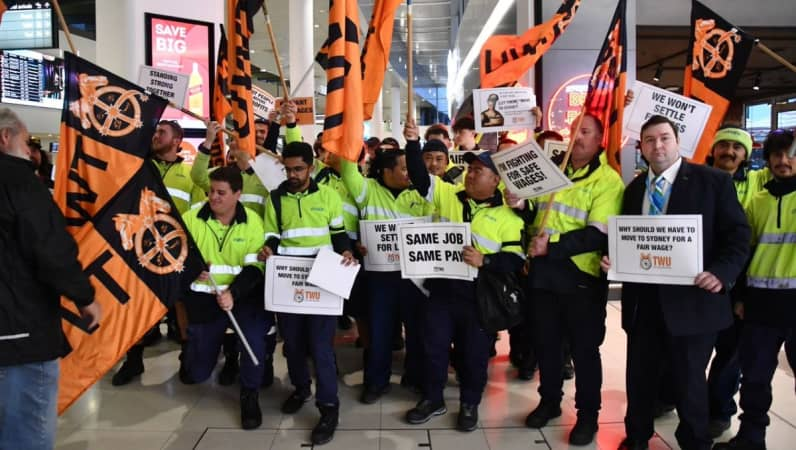
Chaos descended upon Perth Airport today as workers walked off the job in a significant industrial action. The strike, affecting one of Australia’s busiest airports, has caused widespread disruption to flights and left thousands of passengers stranded or facing significant delays. This article explores the reasons behind the strike, its impact, and the potential consequences for both travelers and the airport’s operations.
Understanding the Roots of the Dispute
The strike, organized by the Transport Workers’ Union (TWU), stems from a prolonged dispute over pay and conditions for ground handling staff at Perth Airport. The TWU alleges that workers are facing unacceptable working conditions, including:
- Low wages: The union claims that wages do not match the demanding and often stressful nature of the work, falling significantly below industry standards.
- Insufficient staffing levels: Leading to overworked employees and compromising safety standards. The union argues that inadequate staffing puts immense pressure on existing employees, increasing the risk of errors and accidents.
- Lack of job security: Concerns have been raised about the growing use of casual and contract labor, leaving workers vulnerable to inconsistent work and a lack of benefits.
- Inadequate safety measures: The union highlights concerns about inadequate safety protocols and insufficient investment in safety equipment, posing risks to both workers and passengers.
Negotiations between the TWU and the airport’s management have reportedly stalled, with both sides accusing each other of inflexibility. The union maintains that the airport’s management is unwilling to address the core issues affecting workers’ well-being and job security. Management, however, has expressed concerns about the financial implications of meeting the union’s demands and the potential impact on the airport’s operations.
The Impact of the Strike on Passengers
The strike’s effect on passengers has been significant. Thousands have experienced flight delays, cancellations, and disruptions to their travel plans. The situation has created scenes of frustration and confusion at the airport, with long queues and a general sense of uncertainty prevailing.
Immediate Consequences:
- Flight cancellations and delays: Many flights have been cancelled or significantly delayed, affecting both domestic and international travelers.
- Baggage handling disruptions: The strike has severely impacted baggage handling, causing delays in baggage retrieval and potential loss or damage to luggage.
- Passenger frustration and inconvenience: Passengers face long wait times, uncertainty about their travel plans, and significant financial losses due to accommodation and other expenses.
- Increased stress and anxiety: The chaotic situation at the airport has caused significant stress and anxiety among passengers, particularly those traveling with young children or elderly relatives.
Long-Term Implications
The Perth Airport strike has raised serious questions about working conditions within the Australian aviation industry. The impact extends beyond the immediate disruption to travelers; it highlights broader concerns about the treatment of essential workers and the potential risks associated with understaffing and inadequate safety measures.
Potential repercussions:
- Damage to Perth Airport’s reputation: The negative publicity surrounding the strike could harm Perth Airport’s reputation and deter future travelers.
- Economic impact on the region: Disruption to tourism and other businesses reliant on air travel could negatively affect the local economy.
- Pressure on other airports: The strike may encourage workers at other Australian airports to take similar action, potentially leading to nationwide disruption.
- Increased scrutiny of aviation industry practices: The strike has intensified calls for a thorough review of working conditions and safety standards within the Australian aviation industry. Increased government oversight and regulatory changes could follow.
The Path Forward: Finding a Resolution
Resolving this dispute is crucial not only for the workers involved but also for the smooth functioning of Perth Airport and the broader Australian aviation sector. Both parties need to engage in constructive dialogue to find a mutually acceptable solution. Mediation or arbitration might be necessary to facilitate a fair and equitable outcome.
The government may also play a vital role in mediating the dispute and ensuring that the interests of both workers and passengers are considered. A long-term solution requires addressing the underlying issues affecting workers’ well-being, including fair wages, adequate staffing levels, and improved safety protocols.
Conclusion:
The Perth Airport strike serves as a stark reminder of the importance of fair labor practices and safe working conditions within the aviation industry. While the immediate impact is felt by stranded passengers, the long-term ramifications could be far-reaching, affecting the airport’s reputation, the local economy, and potentially sparking similar industrial actions across the country. Prompt resolution through constructive negotiation and a commitment to improving workers’ rights and conditions is essential to prevent further disruption and ensure the sustainable growth of the Australian aviation sector.
Stay tuned for updates as this situation unfolds.