The discovery of invasive fire ants in Central Queensland, originating from an outbreak at a mine site, has caused widespread concern throughout the region and beyond. This is not just a localized issue; it underscores the significant threat these aggressive insects pose to Australia’s biodiversity, agriculture, and public health. Understanding the scale of the problem and ongoing containment efforts is vital to protecting Queensland’s environment and economy.
The Threat of Invasive Fire Ants
Invasive fire ants, specifically the species Solenopsis invicta, are not native to Australia. Their introduction has resulted in extensive ecological and economic damage in other parts of the world. These ants are extremely aggressive and deliver painful stings, leading to:
- Serious health risks: Multiple stings can cause severe allergic reactions, including anaphylaxis, in vulnerable individuals. This presents a major public health concern, especially for children and the elderly.
- Damage to infrastructure: Fire ants can invade electrical equipment, causing short circuits and potentially starting fires.
- Severe impact on agriculture: They prey on native insects and disrupt ecosystems, affecting agricultural yields and livestock production. Their presence can greatly reduce crop yields and damage pastures.
- Environmental disruption: They outcompete native ant species and other invertebrates, leading to biodiversity loss and ecological imbalance with cascading effects on the entire ecosystem.
The Central Queensland Outbreak: Origin and Spread
The recent detection of fire ants in Central Queensland is connected to an outbreak at a mine. While the precise source of the initial infestation is still under investigation, it highlights how these ants can rapidly spread through human activities. The mining environment, with heavy machinery and the movement of soil and materials, likely provided an ideal route for the ants to establish themselves and spread beyond the immediate area.
The spread of fire ants is driven by several factors:
- Human activity: Movement of soil, equipment, and materials contaminated with ant nests is a major factor in their dispersal.
- Flooding: Floodwaters can carry ant colonies and nests downstream, expanding their range.
- Natural dispersal: Queen ants can establish new colonies, leading to rapid infestation spread.
Containing the Infestation: Biosecurity Measures
Controlling the spread of invasive fire ants requires a comprehensive approach involving strict biosecurity measures and effective eradication strategies. Authorities are working diligently to contain the Central Queensland outbreak by implementing key actions:
- Surveillance and detection: Regular monitoring and trapping are essential to determine the infestation’s extent and track its movement.
- Eradication programs: Targeted treatments, including baiting programs, are being used to eliminate existing colonies and prevent further spread.
- Public awareness campaigns: Educating the public about fire ant risks and how to identify and report them is vital.
- Border control: Enhanced measures at borders and within the state are critical to prevent further introductions of fire ants from other regions.
- Research and development: Ongoing research is crucial to develop more effective and sustainable control methods.
The Economic and Environmental Impact
The long-term economic and environmental consequences of an uncontrolled fire ant infestation in Central Queensland could be severe. The agricultural sector, already facing various challenges, could suffer significant losses due to reduced crop yields and damage to livestock. Although eradication programs are costly, their expense is far less than the cost of inaction. The environmental damage, including loss of native biodiversity, could have long-lasting effects on the entire ecosystem.
Community Involvement is Key
Combating invasive fire ants requires a collective effort. Community participation is crucial for early detection and reporting. Residents are urged to stay vigilant and report any suspected fire ant sightings to the relevant authorities immediately. Early detection is essential to limit the spread and increase the effectiveness of eradication efforts.
Identifying Fire Ants
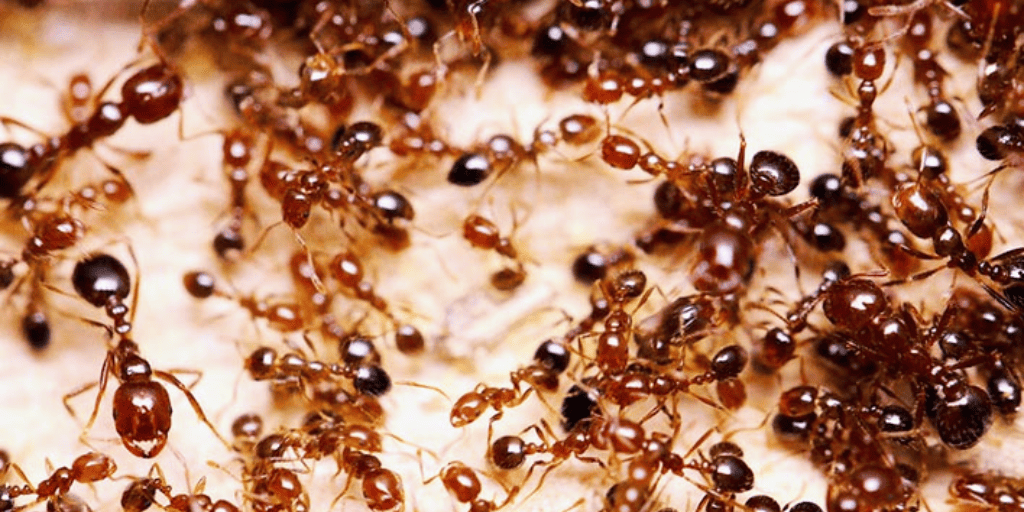
Recognizing fire ants is the first step in preventing their spread. Key characteristics include:
- Size: Relatively small, typically 2-6 mm in length.
- Color: Reddish-brown to black.
- Mounds: They build distinctive mounds in the soil, often with multiple mounds in an area.
- Aggressive behavior: They are easily disturbed and will swarm aggressively when their nests are threatened, delivering painful stings.
If you suspect you have found fire ants, do not attempt to handle them yourself. Contact your local council or the relevant biosecurity authority immediately. Photographs can assist with identification.
Looking Ahead: Long-Term Strategies
Eradicating invasive species demands a long-term commitment with sustained effort and resources. Continuous monitoring, research into innovative control methods, and ongoing public education are essential to prevent future outbreaks and protect Queensland’s environment and economy from the devastating effects of invasive fire ants. The Central Queensland outbreak serves as a crucial reminder of the importance of proactive biosecurity measures and the need for a united approach to safeguard Australia’s natural heritage.